Fire Risk Assessment Services: What to Expect

Introduction: The Role of Fire Risk Assessment Services
Fire safety is critical for all types of buildings, from offices and warehouses to retail spaces and residential properties. For many organizations, hiring professional fire risk assessment services ensures that hazards are properly identified, risks are accurately evaluated, and preventive measures are effectively implemented. These services provide expertise, objectivity, and regulatory compliance, giving building owners and managers peace of mind.
Professional fire risk assessment services go beyond basic inspections—they analyze building layouts, human behavior, equipment, and legal obligations to create a comprehensive fire safety strategy tailored to each client’s needs. Understanding what to expect from these services helps businesses make informed decisions and maximize their investment in fire safety.
Scope of Fire Risk Assessment Services
Fire risk assessment services typically include a systematic review of:
- Building structure and layout: Identifying potential fire spread patterns, exit accessibility, and vulnerable areas.
- Hazard identification: Detecting potential ignition sources, flammable materials, and unsafe practices.
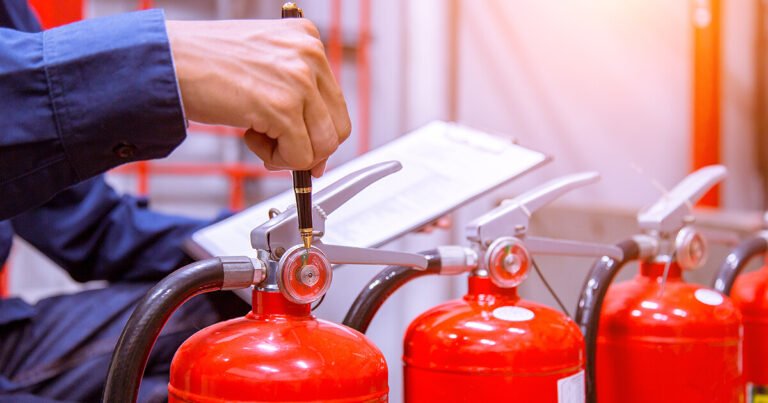
- Safety measures evaluation: Checking fire alarms, smoke detectors, sprinklers, extinguishers, emergency lighting, and signage.
- Staff or occupant safety: Assessing training, evacuation plans, and preparedness for emergencies.
- Documentation and compliance: Producing detailed reports that meet regulatory requirements and provide actionable recommendations.
These services are designed to identify both obvious and hidden risks, ensuring that no critical detail is overlooked.
What to Expect During an On-Site Assessment
When engaging professional fire risk assessment services, clients can expect a structured on-site process:
- Initial Consultation: The assessor gathers information about the building, its occupants, activities, and previous fire incidents. This helps tailor the assessment to specific needs.
- Site Inspection: A thorough walk-through of the premises is conducted. The assessor examines potential hazards, evaluates safety systems, and identifies areas for improvement.
- Risk Evaluation: Each identified hazard is analyzed to determine its potential impact on people and property. This includes considering vulnerable occupants, structural vulnerabilities, and the likelihood of fire occurrence.
- Recommendations: The assessor provides detailed recommendations for reducing risk, improving safety measures, and ensuring regulatory compliance.
- Report Preparation: A formal report is prepared, documenting findings, recommendations, and actions to be taken. This report serves as a reference for future reviews and demonstrates due diligence for regulatory and insurance purposes.
Benefits of Hiring Professional Services
Engaging professional fire risk assessment services offers several advantages:
- Expertise and Objectivity: Assessors have specialized knowledge and experience in fire safety, ensuring accurate identification of risks.
- Regulatory Compliance: Professionals understand local fire safety laws and standards, helping clients remain compliant.
- Tailored Recommendations: Solutions are customized to the specific environment, whether commercial, industrial, or residential.
- Improved Safety Culture: Professional guidance helps build awareness and preparedness among staff or occupants.
- Documentation and Evidence: Detailed reports provide proof of due diligence for insurance providers and regulatory inspections.
See also: Long-Lasting Vinyl Flooring Ideas for Kitchens and Office Spaces
Choosing the Right Fire Risk Assessment Service
When selecting a fire risk assessment provider, consider the following factors:
- Certification and Accreditation: Ensure the service provider has recognized qualifications and industry certifications.
- Experience: Look for assessors familiar with your building type and operations.
- Comprehensive Reporting: Reports should be clear, actionable, and compliant with local laws.
- Follow-Up Support: Providers should offer guidance on implementing recommendations and scheduling reviews.
A well-chosen service provider ensures a thorough and reliable assessment, helping organizations mitigate risks effectively.
Ongoing Support and Review
Professional fire risk assessment services do not end with a single inspection. Ongoing support is crucial for maintaining fire safety:
- Regular reviews to account for changes in staff, equipment, or building layout.
- Periodic audits to verify that safety measures are functioning effectively.
- Training sessions to ensure staff remain prepared for emergencies.
This continuous approach ensures that fire safety remains a dynamic, evolving priority rather than a one-time task.
Conclusion
Professional fire risk assessment services provide critical support for businesses and property owners. They offer expertise, objectivity, and regulatory guidance to identify hazards, evaluate risks, and implement effective preventive measures. By engaging these services, organizations protect lives, safeguard property, ensure compliance, and build a strong culture of safety. With regular reviews, ongoing support, and clear documentation, fire risk assessment services help create a safer, more resilient environment for everyone.