How Homeowners Can Extend the Life of Their Roof in a Changing Climate

Your roof does more than complete the look of your home—it protects everything underneath it. From heavy rain and humidity to heat and wind, roofs are exposed to constant environmental stress. Over time, even well-built roofing systems begin to show signs of wear. For homeowners, understanding how to maintain a roof properly can help prevent expensive repairs and extend the life of the entire structure.
As weather patterns continue to shift and storms become more unpredictable in many regions, proactive roof care has become more important than ever. Whether you own a newer home or an older property, routine maintenance and smart upgrades can make a major difference in long-term durability.
Why Roof Longevity Matters
A roof is one of the most significant investments a homeowner makes. Replacing a roof can be costly, especially if damage has spread to insulation, ceilings, or structural components. Extending the lifespan of your roof by even a few years can save thousands of dollars over time.
More importantly, a healthy roofing system helps:
- Maintain indoor comfort
- Improve energy efficiency
- Prevent water intrusion
- Protect home value
- Reduce emergency repair costs
The key is identifying small issues before they become serious problems.
See also: Fire Risk Assessment: From Hazard Identification to Action Plan
Common Causes of Premature Roof Damage
Even high-quality roofing materials can deteriorate faster than expected if they are exposed to certain conditions. Some of the most common causes of roof damage include poor ventilation, trapped moisture, severe storms, and neglected maintenance.
Heat and UV Exposure
In warmer climates, prolonged sun exposure can gradually weaken shingles and roofing membranes. UV rays dry out materials, making them brittle and more vulnerable to cracking.
Dark-colored roofing materials may absorb more heat, increasing thermal expansion and contraction throughout the year. Over time, this movement can weaken seals and create entry points for moisture.
Storm Damage
Strong winds, hail, and heavy rainfall can all impact roofing performance. Wind may lift shingles, while hail can create hidden fractures that worsen over time.
After major storms, homeowners should always inspect their roof for:
- Missing shingles
- Loose flashing
- Debris accumulation
- Water stains indoors
- Damaged gutters
Ignoring storm-related issues often leads to larger structural concerns later.
Poor Drainage
Standing water is one of the biggest threats to roofing systems. Clogged gutters and poor drainage can allow water to pool near roof edges or low spots. Over time, trapped moisture increases the risk of rot, mold, and leaks.
Keeping gutters clean and directing water away from the home is an easy but highly effective maintenance step.
Preventative Maintenance Tips for Homeowners
Roof maintenance does not always require major work. In many cases, consistent attention to small details can dramatically improve roof performance and longevity.
Schedule Regular Inspections
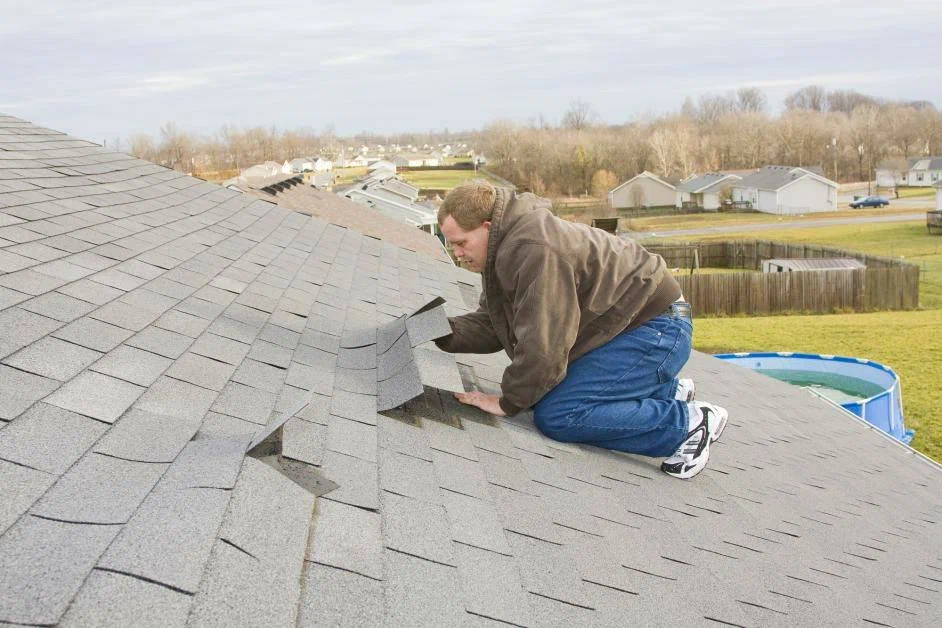
Professional inspections help identify issues that homeowners may overlook. Tiny cracks, damaged flashing, or soft spots are often difficult to detect from the ground.
Experts generally recommend inspections:
- Once or twice per year
- After severe weather events
- Before buying or selling a home
- When signs of leaks appear indoors
For homeowners looking to better understand regional roofing conditions and maintenance considerations, Ideal Precision Roofing serving Houston provides useful context on roofing services and common concerns in areas exposed to intense heat, storms, and humidity.
Keep Trees Trimmed
Overhanging branches can scrape roofing materials and drop debris that traps moisture. During storms, weak limbs may also break and damage shingles or gutters.
Trimming nearby trees reduces these risks while also minimizing moss and algae growth caused by excessive shade.
Improve Attic Ventilation
Proper airflow inside the attic plays a major role in roof health. Poor ventilation traps heat and moisture, which can weaken roofing materials from underneath.
Good attic ventilation helps:
- Reduce moisture buildup
- Improve energy efficiency
- Prevent mold growth
- Lower cooling costs
- Reduce strain on shingles
Balanced intake and exhaust ventilation systems are especially important in humid climates.
Choosing Durable Roofing Materials
Not all roofing materials perform the same way in every environment. Homeowners should consider climate, maintenance expectations, and long-term durability before choosing roofing products.
Asphalt Shingles
Asphalt shingles remain one of the most common residential roofing materials because they are affordable and widely available. Modern architectural shingles offer improved wind resistance and longer lifespans compared to older three-tab options.
Metal Roofing
Metal roofs are growing in popularity due to their durability and energy efficiency. They reflect sunlight effectively and can last significantly longer than traditional shingles when properly maintained.
Although the upfront cost may be higher, many homeowners appreciate the reduced maintenance requirements.
Tile and Specialty Roofing
Clay, concrete, and composite roofing systems can perform well in specific climates. These materials often provide excellent longevity but may require additional structural support because of their weight.
Choosing the right material depends on both environmental conditions and the home’s structural design.
Signs It May Be Time for Roof Replacement
Even with proper maintenance, every roof eventually reaches the end of its lifespan. Recognizing the warning signs early can help homeowners avoid major interior damage.
Common indicators include:
- Frequent leaks
- Curling or cracked shingles
- Granule loss
- Sagging rooflines
- Water stains on ceilings
- Rising energy bills
In some cases, repairs may still be sufficient. However, widespread damage or aging materials often make replacement the more cost-effective solution long term.
The Importance of Working With Experienced Professionals
Roofing work involves more than simply replacing shingles. Proper installation techniques, ventilation planning, flashing details, and drainage management all affect long-term performance.
Experienced roofing professionals can help homeowners:
- Assess roof condition accurately
- Identify hidden damage
- Recommend suitable materials
- Improve energy efficiency
- Prevent recurring issues
Quality workmanship also helps ensure roofing systems perform as expected during extreme weather conditions.
Final Thoughts
A roof is one of the hardest-working parts of any home, yet it is often overlooked until problems appear. By investing in regular inspections, preventative maintenance, and quality materials, homeowners can extend roof lifespan and reduce the likelihood of expensive repairs.
Environmental conditions will always place stress on roofing systems, but proactive care makes a measurable difference. Small maintenance efforts today can prevent major structural issues tomorrow, helping homeowners protect both their property and their long-term investment.