Fire Risk Assessment: From Hazard Identification to Action Plan

Fire risk assessment is a systematic process that helps organizations understand fire hazards, evaluate risks, and implement effective control measures. It moves beyond simply identifying problems and focuses on developing a practical action plan that reduces fire risk and improves overall safety. A well-conducted fire risk assessment protects people, property, and business continuity.
Understanding the Purpose of Fire Risk Assessment
The main purpose of fire risk assessment is to prevent fire incidents and minimize their impact if they occur. It provides a structured way to identify potential fire hazards and assess how likely they are to cause harm.
By following a clear process, organizations can take proactive steps to improve fire safety rather than reacting to emergencies after they happen.
Step One: Identifying Fire Hazards
Hazard identification is the foundation of fire risk assessment. Fire hazards generally fall into three categories: ignition sources, fuel sources, and oxygen.
Ignition sources include electrical equipment, machinery, heating systems, and open flames. Fuel sources may involve combustible materials such as paper, packaging, chemicals, furniture, and waste. Oxygen is naturally present but can be increased by ventilation systems or oxygen cylinders.
Step Two: Identifying People at Risk
Once hazards are identified, the next step is to determine who may be affected by a fire. This includes employees, visitors, contractors, and members of the public.
Special consideration should be given to individuals who may have difficulty evacuating, such as people with disabilities, elderly persons, or those working in high-risk areas. Understanding who is at risk helps shape effective safety and evacuation measures.
Step Three: Evaluating Fire Risks
Risk evaluation involves considering how likely a fire is to start and how severe the consequences could be. This step helps prioritize hazards that require immediate attention.
By assessing the level of risk, organizations can decide where to focus resources and which control measures will have the greatest impact on safety.
See also: Getting Started With Home Automation
Step Four: Implementing Fire Prevention Measures
Fire prevention aims to reduce the likelihood of a fire starting. This includes maintaining electrical systems, servicing machinery, and controlling hot work activities.
Good housekeeping is also essential. Keeping work areas clean, reducing waste, and safely storing flammable materials all help lower fire risk.
Step Five: Fire Protection and Safety Systems
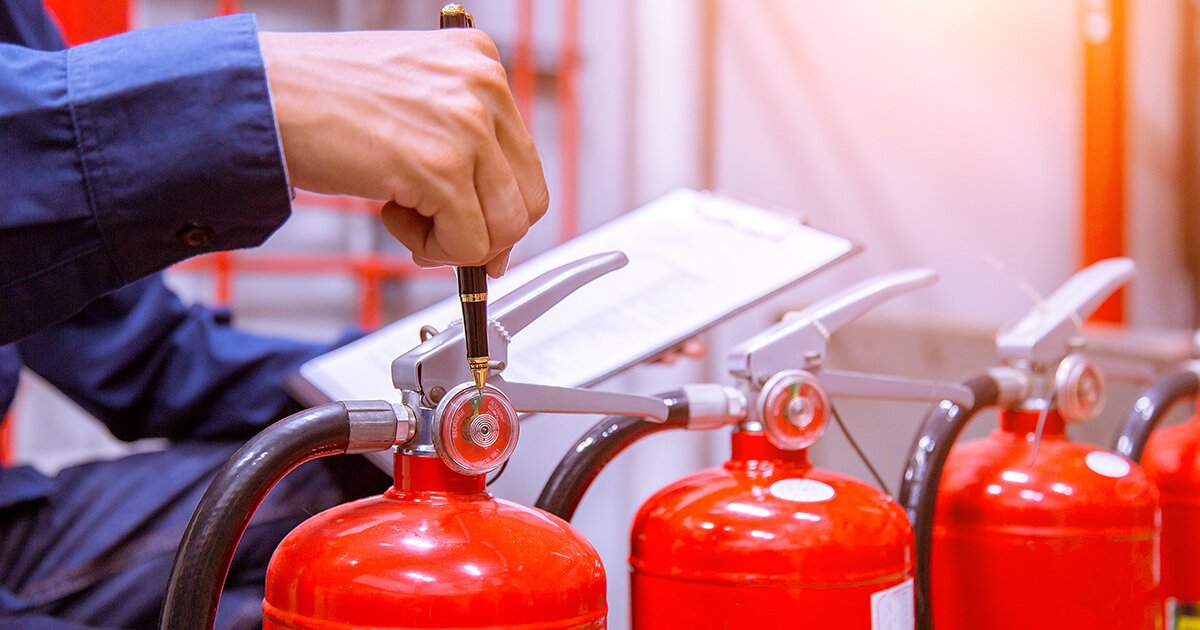
Fire protection measures are designed to limit the impact of a fire if it occurs. Fire risk assessment evaluates the effectiveness of fire detection systems, alarms, emergency lighting, and fire suppression equipment.
These systems provide early warning, support safe evacuation, and help control fires before they spread.
Step Six: Developing an Action Plan
An action plan is the practical outcome of a fire risk assessment. It clearly outlines what actions are needed, who is responsible, and when tasks should be completed.
The action plan may include repairs, equipment upgrades, staff training, or procedural changes. Setting priorities and deadlines ensures that safety improvements are implemented efficiently.
Step Seven: Training and Communication
Fire risk assessment is only effective if people understand their roles. Training ensures that employees know how to prevent fires and respond safely in an emergency.
Clear communication of fire procedures, signage, and regular fire drills help reinforce safe behavior and preparedness.
Step Eight: Reviewing and Updating the Assessment
Fire risk assessment is an ongoing process. Changes in building layout, occupancy, equipment, or activities can introduce new fire hazards.
Regular reviews ensure that the assessment remains accurate and that the action plan continues to address current risks.
Benefits of a Structured Fire Risk Assessment Process
Following a structured process from hazard identification to action planning provides long-term benefits. It improves safety, ensures legal compliance, reduces downtime, and protects property.
It also helps organizations build a strong fire safety culture where risks are identified and addressed proactively.
Conclusion
Fire risk assessment is more than a checklist exercise; it is a continuous process that transforms hazard identification into meaningful action. By systematically identifying hazards, assessing risks, implementing controls, and developing a clear action plan, organizations can significantly reduce fire risk. A proactive fire risk assessment approach ensures safer environments, legal compliance, and effective fire prevention.